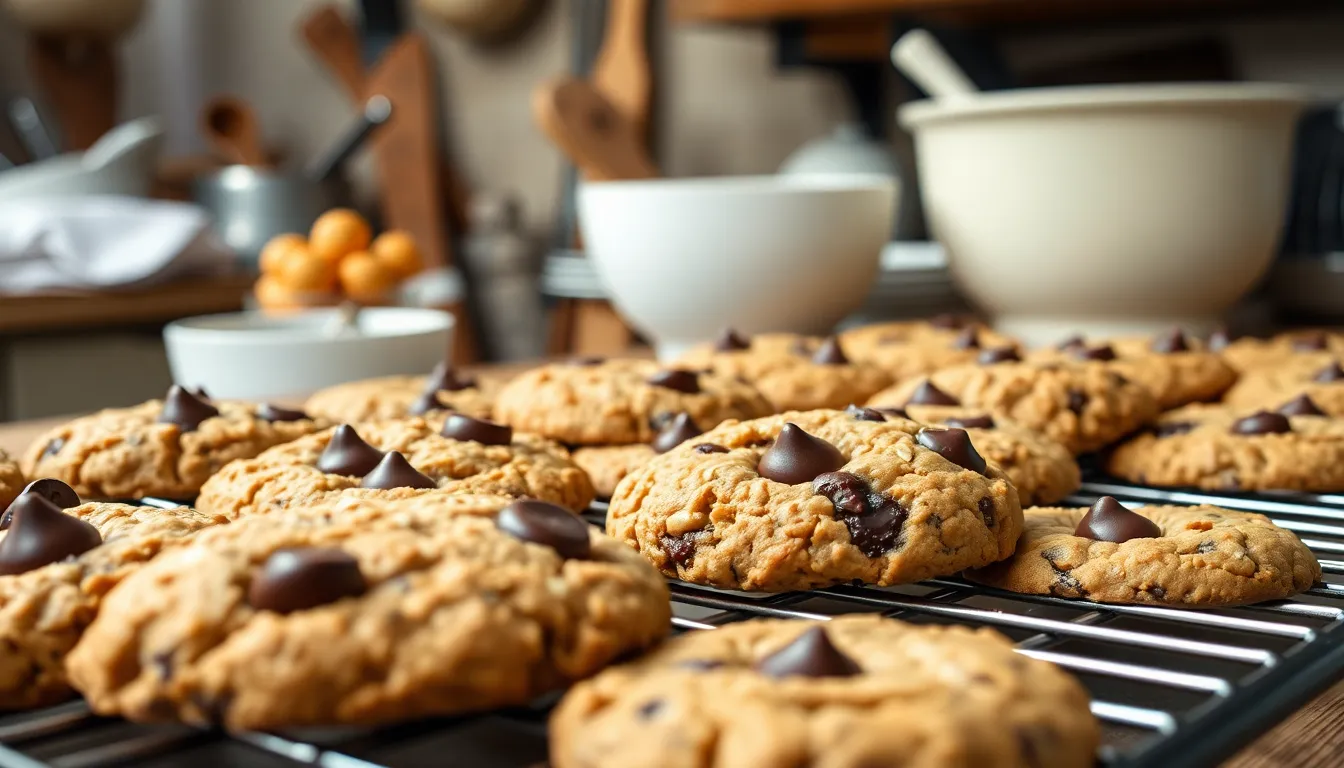
The Quest for Perfection: Chewy vs. Crispy Chocolate Chip Oatmeal Cookies
Forget any outdated notions that oatmeal cookies are boring. When done right, especially when loaded with gooey chocolate chips and perhaps a handful of nuts,
chocolate chip oatmeal cookies transform into an irresistible treat that can easily outshine many other dessert contenders. The secret to their incredible appeal often lies in one crucial characteristic: texture. Are you a fan of a soft, yielding bite that melts in your mouth, or do you crave a delightful crunch that shatters with every nibble? The good news is, achieving your dream cookie texture is entirely within your control, starting with your choice of oats.
This comprehensive guide will demystify the art of crafting the perfect batch of chocolate chip oatmeal cookies, focusing on how different ingredients and techniques, especially your oat selection, influence that coveted chewy or crispy finish. Prepare to elevate your baking game and create cookies that will have everyone asking for your secret!
The Heart of the Matter: Oats and Their Impact on Texture
The type of oats you choose is perhaps the most fundamental decision you'll make in determining the final texture of your chocolate chip oatmeal cookies. While the grocery store aisle can feel overwhelming with its array of oat options, for cookies, you'll primarily be choosing between two main types: old-fashioned rolled oats and quick-cooking oats.
Old-Fashioned Rolled Oats: The Chewy Champion
If your heart beats for a robust, chewy cookie with a distinct oat presence, old-fashioned rolled oats are your go-to. These oats are whole oat groats that have been steamed and then rolled into flat, oval flakes. Because they are less processed and larger in size, they retain more of their structural integrity during baking. This means they absorb liquid more slowly and less completely than their quicker-cooking counterparts, preventing the cookie from becoming overly dense or cakey.
The result? A cookie with a delightful chew that holds its shape, offering a satisfying bite where you can truly appreciate the individual oat flakes. Their larger surface area also contributes to a slightly longer baking time, which can further enhance the chewiness by allowing the sugars to caramelize just enough without drying out the interior.
Quick-Cooking Oats: For a Softer, More Uniform Bite
For those who prefer a cookie with a softer crumb and a more subtle oat texture that blends seamlessly with the dough, quick-cooking oats are an excellent choice. These oats are essentially old-fashioned oats that have been cut into smaller pieces and then rolled thinner. This increased processing means they absorb liquids much faster and more thoroughly.
When incorporated into your chocolate chip oatmeal cookie dough, quick-cooking oats break down more during baking, creating a less defined oat texture. This can lead to a cookie that is generally softer throughout, often with slightly crispier edges due to quicker moisture evaporation. While they might not deliver the same robust chew as old-fashioned oats, they offer a delicate texture that many find appealing, making for a wonderfully tender cookie.
In essence, if you're aiming for a cookie that truly highlights the oats' chewiness, stick with old-fashioned. If a more uniform, tender texture with a hint of crispness is what you're after, quick-cooking oats will serve you well. Remember, the choice of oat is a powerful lever in your texture toolkit!
Beyond Oats: Other Factors for Perfect Chocolate Chip Oatmeal Cookie Texture
While oats lay the foundation, the journey to your ideal chocolate chip oatmeal cookie texture doesn't end there. Several other elements in your recipe and baking technique play significant roles in whether your cookies turn out delightfully chewy or wonderfully crisp.
The Sweet Science of Sugars
The types and ratios of sugars in your recipe are critical.
- Brown Sugar: This moist sugar, thanks to its molasses content, is a secret weapon for chewiness. It contributes moisture and helps keep cookies soft even after cooling. A higher proportion of brown sugar generally leads to a chewier cookie.
- Granulated Sugar: While it provides sweetness and contributes to spread, granulated sugar contains less moisture. A higher ratio can lead to a crispier cookie, especially around the edges, as it helps create that desirable snap.
The Art of Baking Time and Temperature
Your oven is more than just a heating box; it's a precision instrument.
- For Chewier Cookies: Bake until the edges are just set and lightly golden brown, but the centers still look slightly soft or underbaked. They will continue to set as they cool on the hot baking sheet. Turning the pan halfway through baking ensures even distribution of heat, promoting a uniform chew.
- For Crispier Cookies: Extend your baking time by an extra 1 to 2 minutes. This allows more moisture to evaporate and encourages deeper caramelization of sugars, leading to a crispier, more golden-brown cookie.
The Magic of Dough Chilling
Don't skip this step if chewiness is your goal!
- Chill for Chewiness: Chilling your cookie dough for at least 30 minutes (or even overnight) allows the fats to solidify, preventing the cookies from spreading too quickly in the oven. This leads to thicker cookies with a denser, chewier interior. It also gives the flavors a chance to meld and deepen, resulting in a richer taste.
Fat and Flour Balance
The ratio of fats (butter) to flour also impacts texture.
- Butter: Creamed butter with sugar introduces air, which can lead to a lighter, softer cookie. Using slightly melted butter can sometimes contribute to a chewier, denser cookie by reducing the amount of air incorporated.
- Flour: The amount of flour affects the cookie's structure. Too little, and cookies might spread excessively and be too thin; too much, and they can become dry or overly cakey. A balanced flour amount provides structure without sacrificing tenderness.
Leavening Agents and Add-ins
Baking soda and baking powder affect rise and spread. Baking soda, often activated by an acidic ingredient (like brown sugar or buttermilk), promotes spread and can contribute to a chewier texture. Baking powder, which often acts in two stages, tends to create a lighter, more cake-like crumb. Lastly, additions like walnuts or pecans, as mentioned in many beloved recipes, add another layer of textural complexity, enhancing the overall experience of your
chocolate chip oatmeal cookies.
Crafting Your Ideal Chocolate Chip Oatmeal Cookies: A Step-by-Step Guide
Now that you understand the nuances of ingredients and techniques, let's walk through the general process of baking your perfect chocolate chip oatmeal cookies, integrating our texture-focused insights. Whether you're aiming for that irresistible chew or a satisfying crisp, these steps will guide you.
1. Preheat and Prepare
Always begin by setting your oven. For most chocolate chip oatmeal cookie recipes,
preheat to 350°F (175°C). Arrange two racks in the middle and upper thirds of your oven for optimal heat distribution. Line your baking sheets with parchment paper or use nonstick sheets to prevent sticking and ensure easy cleanup.
2. Combine Dry Ingredients
In a medium bowl, whisk together your dry components: all-purpose flour, baking powder, baking soda, and salt. This is where your oat choice comes in! Stir in your selected oats –
old-fashioned for chewiness or quick-cooking for a softer bite – and any optional nuts like pecans or walnuts. Ensure everything is well combined and set aside.
3. Cream Wet Ingredients
In a larger bowl, ideally using a stand mixer or hand mixer, beat the butter (softened to room temperature), brown sugar, and granulated sugar. For chewier cookies, you might lean towards a higher brown sugar ratio. Cream these together for about 30 seconds until they are blended and lightly fluffy. Beat in the egg until smooth, then drizzle in maple syrup and vanilla extract until fully incorporated.
4. Blend and Fold
With your mixer running on its lowest setting, gradually add the dry ingredient mixture to the wet ingredients. Mix *just until combined*. Overmixing can develop the gluten in the flour, leading to tougher cookies. Once the flour mixture is mostly incorporated, remove the bowl from the mixer and gently fold in your chocolate chips by hand.
5. Portion, Flatten, and Bake
Drop walnut-sized balls of dough onto your prepared baking sheets, spacing them about 3 inches apart to allow for spread. For a slightly more uniform cookie and potentially a little more crispness around the edges, use moistened fingers to gently flatten and round out each dough ball a little.
Bake for approximately 9 minutes, rotating the pan once halfway through for even baking.
- For Chewy Cookies: Look for lightly browned tops and set edges, with the centers still appearing slightly soft.
- For Crispy Cookies: Bake for 1 to 2 minutes longer, until they are more deeply golden brown and firm to the touch.
6. Cool and Enjoy
Once baked, immediately transfer the cookie sheets to a wire rack to cool completely. This crucial step allows the cookies to set properly and prevents them from becoming soggy.
Keeping Your Chocolate Chip Oatmeal Cookie Creations Fresh
You've put in the effort to bake the perfect batch of chocolate chip oatmeal cookies, so naturally, you want them to stay fresh as long as possible. Here's how to store and even freeze your delightful treats.
Storing Baked Cookies
Once your cookies have completely cooled, transfer them to an airtight container. They will stay wonderfully fresh at room temperature for up to two weeks. However, experience tells us they rarely last that long – fresh out of the oven, they're simply too tempting!
Freezing Baked Cookies
If you've baked a large batch or simply want to save some for a rainy day, freezing baked chocolate chip oatmeal cookies is a fantastic option. Arrange them in layers separated by parchment paper in an airtight container or a heavy-duty zip-top bag. Make sure to squeeze out any excess air from the bag before sealing. Frozen cookies will maintain their quality for up to three months. When you're ready to enjoy them, simply thaw at room temperature.
Freezing Cookie Dough
To have fresh-baked cookies on demand, freeze the dough! Scoop walnut-sized balls of dough onto a baking sheet and place them in the freezer until they are solid. Once hardened, transfer the frozen dough balls to an airtight zip-top bag, again squeezing out any excess air. The dough can be frozen for up to three months. When it's baking time, thaw the desired amount of dough in the refrigerator overnight. You may need to add a few extra minutes to the baking time, especially if the dough is still quite firm. For more in-depth tips on preserving your delicious treats, check out our guide on
storing and freezing chocolate chip oatmeal cookies for freshness.
Conclusion: Your Perfect Cookie Awaits
The journey from individual ingredients to the perfect chocolate chip oatmeal cookie is a delightful exploration of texture, flavor, and technique. By understanding how your choice of oats – old-fashioned for chewiness or quick-cooking for softness – interacts with other factors like sugar ratios, baking time, and dough chilling, you gain the power to consistently create your ideal cookie. Don't be afraid to experiment and discover the combinations that truly sing to your palate. With these insights, you're now equipped to bake irresistible chocolate chip oatmeal cookies that are anything but boring – a true testament to the joy of homemade baking!